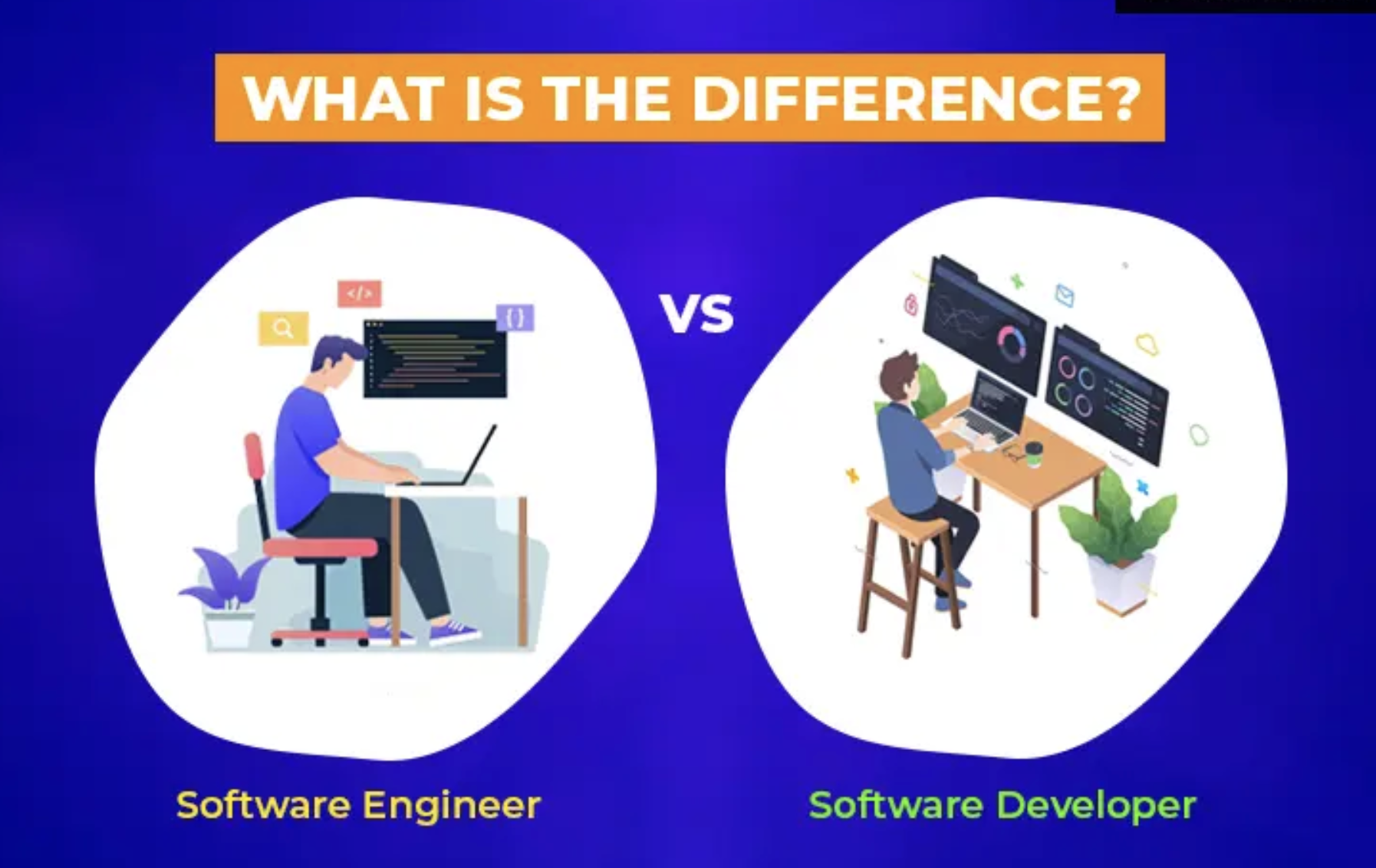
Software Engineering vs Software Development: Which Tech Career Path is Right for You?
As Ghana's technology sector continues to expand, with initiatives like the Ghana Digital Innovation Week and growing tech hubs in Ghana, more young professionals are considering careers in software. However, many aspiring tech professionals find themselves confused by the terms "software engineering" and "software development." Are they the same? Which path offers better opportunities in Ghana's evolving digital economy? This comprehensive guide breaks down the differences, similarities, and career implications of both roles.
Understanding the Core Differences
At first glance, software engineering and software development might seem interchangeable, but they represent distinct approaches to creating software solutions.
Software Engineering applies engineering principles to software creation. Think of it as the architectural blueprint phase of building a house. Software engineers focus on the entire system lifecycle, from initial requirements gathering to maintenance and eventual retirement. They emphasize systematic approaches, rigorous testing, documentation, and scalability. In Ghana's context, software engineers might work on large-scale projects like the Ghana.Gov platform, banking systems, or telecommunications infrastructure where reliability and scalability are critical.
Software Development is more focused on the actual building process. Using our construction analogy, developers are the skilled craftspeople who turn blueprints into reality. They concentrate on writing code, implementing features, and solving immediate programming challenges. Developers often work on specific components or applications, such as mobile apps for Ghanaian fintech startups, e-commerce platforms, or custom business solutions for local enterprises.
Key Responsibilities and Skill Sets
Software Engineering Responsibilities
Software engineers typically:
- •Design system architecture and technical specifications
- •Create comprehensive documentation
- •Implement testing strategies and quality assurance processes
- •Manage project timelines and technical resources
- •Ensure compliance with industry standards and best practices
- •Focus on long-term maintainability and scalability
Essential skills include: System design, algorithm optimization, project management, mathematics, and strong theoretical computer science knowledge.
Software Development Responsibilities
Software developers generally:
- •Write and debug code for specific features or applications
- •Collaborate with designers and product managers
- •Implement user interfaces and functionality
- •Troubleshoot and fix bugs
- •Work with APIs and third-party services
- •Adapt quickly to changing requirements
Key skills include: Programming languages (JavaScript, Python, Java), frameworks, problem-solving, creativity, and practical coding ability.
Career Paths and Opportunities in Ghana
Software Engineering Career Trajectory
In Ghana's tech ecosystem, software engineers often progress to roles like:
- •Senior Software Engineer
- •Technical Architect
- •Engineering Manager
- •DevOps Engineer
- •Systems Analyst
Local opportunities exist with multinational corporations, banking institutions, telecommunications companies, and government digital transformation projects. The Ghanaian software engineer might work on national-scale systems that require robust architecture and long-term planning.
Software Development Career Progression
Software developers in Ghana typically advance to positions such as:
- •Senior Developer
- •Full-Stack Developer
- •Mobile App Developer
- •Technical Lead
- •Product Developer
Ghana's vibrant startup scene offers numerous opportunities for developers, particularly in fintech, agritech, and e-commerce. Developers might create solutions addressing local challenges, such as mobile payment systems, agricultural market platforms, or educational apps tailored to Ghanaian students.
Real-World Examples from Ghana's Tech Scene
Software Engineering in Action: Consider the development of Ghana's national digital addressing system. This required software engineers to design a scalable architecture, ensure data integrity across multiple government databases, and create systems that could handle millions of addresses while maintaining security and reliability.
Software Development Example: Look at popular Ghanaian apps like Zeepay or Sika. Developers focused on creating user-friendly interfaces, implementing specific features for mobile money transactions, and rapidly adapting to user feedback and market demands.
Which Path Should You Choose?
Consider Software Engineering If:
- •You enjoy solving complex, systemic problems
- •You're interested in the "big picture" of how systems work together
- •You prefer structured methodologies and documentation
- •You want to work on large-scale, critical infrastructure projects
- •You have strong analytical and mathematical skills
Consider Software Development If:
- •You love writing code and seeing immediate results
- •You enjoy creative problem-solving and building user-facing features
- •You prefer agile, flexible work environments
- •You want to work on diverse projects or in fast-paced startups
- •You're skilled at learning new technologies quickly
Practical Tips for Aspiring Tech Professionals in Ghana
- •
Start with Fundamentals: Regardless of which path you choose, master programming basics, data structures, and algorithms. Many vocational programs in Ghana, including those at Tledu Ghana, provide this essential foundation.
- •
Build a Portfolio: Create projects that solve local problems. Develop an app for Ghanaian small businesses, create an educational platform, or contribute to open-source projects relevant to Africa's tech ecosystem.
- •
Network Locally: Attend Ghana Tech Lab events, join developer communities like Developers in Ghana, and participate in hackathons. These connections can lead to mentorship and job opportunities.
- •
Consider Hybrid Roles: Many positions in Ghana's tech industry combine elements of both engineering and development. Being versatile increases your employability.
- •
Continuous Learning: Ghana's tech landscape evolves rapidly. Stay updated through online courses, local workshops, and professional certifications.
The Future of Both Roles in Ghana's Digital Economy
As Ghana continues its digital transformation under initiatives like the Digital Ghana Agenda, both software engineers and developers will play crucial roles. Software engineers will be essential for building the robust digital infrastructure needed for economic growth, while developers will create the innovative applications that drive adoption and solve everyday challenges.
The growing demand for custom software solutions in sectors like finance, agriculture, healthcare, and education means opportunities will continue to expand for both career paths. According to recent reports, Ghana's IT services market is projected to grow significantly, creating thousands of new tech jobs in the coming years.
Conclusion: Your Path in Ghana's Tech Revolution
Whether you choose software engineering or software development, you're entering a field with tremendous potential in Ghana's evolving economy. Both roles offer rewarding careers, competitive salaries, and the opportunity to contribute to national development through technology.
At Tledu Ghana, we understand that the line between engineering and development often blurs in real-world projects. Our vocational training programs are designed to give you practical skills that apply to both disciplines, preparing you for the diverse opportunities in Ghana's tech sector.
Ready to start your tech career journey? Explore our software development and engineering programs designed specifically for Ghana's market needs. Whether you're drawn to the systematic approach of engineering or the creative coding of development, we have pathways to help you succeed in West Africa's growing digital economy.
TLedu Ghana
Author at Tledu Ghana
Comments (0)
No comments yet. Be the first to share your thoughts!