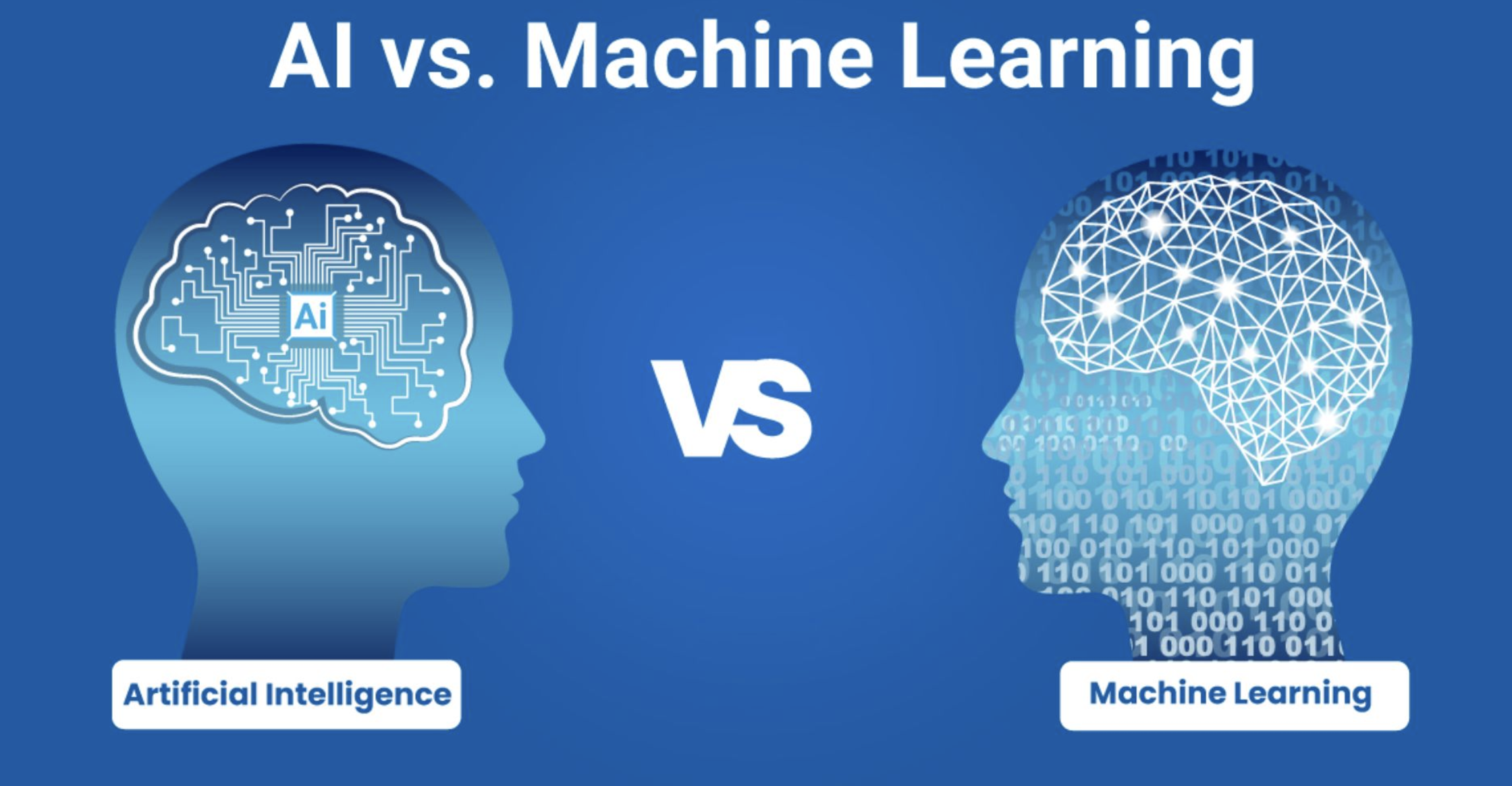
AI vs Machine Learning: What Ghanaian Professionals Need to Know
In today's rapidly evolving digital landscape, terms like Artificial Intelligence (AI) and Machine Learning (ML) are becoming increasingly common. From Accra's tech hubs to Kumasi's innovation centers, these technologies are transforming industries and creating exciting new career paths. But what exactly is the difference between AI and Machine Learning? And more importantly, how can Ghanaian professionals leverage this knowledge for career advancement?
This comprehensive guide breaks down these complex concepts into understandable terms, explores their practical applications in the Ghanaian context, and provides actionable insights for those looking to build skills in these high-demand fields.
Understanding the Fundamentals: AI and ML Explained
What is Artificial Intelligence (AI)?
Artificial Intelligence refers to the broader concept of machines or systems that can perform tasks that typically require human intelligence. Think of AI as the umbrella term that encompasses various technologies designed to simulate human thinking and decision-making processes.
Key characteristics of AI include:
- •Problem-solving capabilities
- •Natural language processing
- •Pattern recognition
- •Learning from experience
- •Adapting to new situations
In Ghana, we're already seeing AI applications in various sectors. For instance, mobile money platforms use AI algorithms to detect fraudulent transactions, while agricultural tech companies employ AI-powered systems to analyze soil conditions and predict crop yields.
What is Machine Learning (ML)?
Machine Learning is a subset of AI that focuses specifically on enabling computers to learn and improve from experience without being explicitly programmed. ML algorithms use statistical techniques to identify patterns in data and make predictions or decisions.
Core aspects of Machine Learning:
- •Data-driven learning and improvement
- •Pattern recognition in large datasets
- •Predictive analytics
- •Automated decision-making based on historical data
A practical example in Ghana is the use of ML in healthcare, where algorithms analyze patient data to predict disease outbreaks or assist in diagnosis, particularly in remote areas with limited access to specialist doctors.
Key Differences Between AI and Machine Learning
1. Scope and Purpose
AI aims to create intelligent systems that can perform any cognitive task that a human can do. It's about creating machines that can think, reason, and solve problems. Machine Learning, on the other hand, specifically focuses on teaching machines how to learn from data and improve their performance on specific tasks.
2. Approach to Problem-Solving
Traditional AI often relies on predefined rules and logic programmed by humans. Machine Learning takes a different approach by allowing algorithms to discover patterns and rules on their own through exposure to data.
3. Data Dependency
While AI systems can function with or without large datasets, Machine Learning is fundamentally data-dependent. The quality and quantity of data directly impact ML system performance.
4. Learning Capability
All Machine Learning systems are AI, but not all AI systems use Machine Learning. Some AI systems operate based on fixed rules without the ability to learn and adapt over time.
Real-World Applications in Ghana and West Africa
Financial Technology (FinTech)
Ghana's thriving FinTech sector provides excellent examples of both AI and ML in action. Mobile banking apps use AI for customer service chatbots that understand local languages like Twi and Ga, while ML algorithms analyze transaction patterns to offer personalized financial advice to users.
Agriculture and Agritech
With agriculture employing about 40% of Ghana's workforce, AI and ML technologies are revolutionizing the sector. AI-powered drones monitor crop health across large farms, while ML algorithms analyze weather patterns, soil data, and market trends to help farmers make better decisions about planting and harvesting.
Healthcare Innovation
In Ghana's healthcare system, AI is being used for administrative tasks and patient management, while ML algorithms are helping to:
- •Predict malaria outbreaks based on weather and environmental data
- •Analyze medical images for early disease detection
- •Optimize resource allocation in hospitals
Education and E-Learning
AI-powered educational platforms are personalizing learning experiences for Ghanaian students, while ML algorithms track student progress and identify areas where additional support is needed.
Career Opportunities for Ghanaian Professionals
The growing adoption of AI and ML technologies in Ghana is creating exciting career opportunities across various sectors:
High-Demand Roles:
- •Data Scientists - Professionals who can extract insights from data using ML algorithms
- •AI/ML Engineers - Developers who build and deploy intelligent systems
- •Business Intelligence Analysts - Experts who use AI tools to inform business decisions
- •Automation Specialists - Professionals who implement AI solutions to streamline operations
Skills Development Pathways:
For Ghanaian professionals looking to enter these fields, consider focusing on:
- •Programming languages (Python, R)
- •Data analysis and visualization
- •Statistical modeling
- •Cloud computing platforms
- •Domain-specific knowledge in your industry
Getting Started with AI and ML Skills Development
Practical Steps for Ghanaian Learners:
- •Start with the Basics: Build a strong foundation in mathematics, statistics, and programming
- •Leverage Local Resources: Explore training programs offered by Ghanaian institutions like Tledu Ghana
- •Work on Real Projects: Apply your learning to solve local problems relevant to Ghanaian contexts
- •Join Tech Communities: Connect with local AI/ML communities and attend tech events in Accra and other cities
- •Stay Updated: Follow global trends while focusing on applications relevant to African markets
Recommended Learning Path:
- •Begin with online courses in data science fundamentals
- •Progress to specialized ML courses
- •Work on portfolio projects using Ghanaian datasets
- •Consider certifications from recognized institutions
- •Seek mentorship from professionals in the field
The Future of AI and ML in Ghana's Economy
As Ghana continues to position itself as a technology hub in West Africa, the integration of AI and ML will play a crucial role in driving economic growth. These technologies offer solutions to some of Ghana's most pressing challenges, from improving healthcare access to optimizing agricultural productivity.
Government initiatives like the Digital Ghana Agenda and private sector investments in tech infrastructure are creating an enabling environment for AI and ML adoption. This presents unprecedented opportunities for Ghanaian professionals to develop skills that will be in high demand for years to come.
Conclusion: Your Path Forward in the AI Revolution
Understanding the distinction between AI and Machine Learning is more than just technical knowledge—it's about recognizing where the opportunities lie in Ghana's evolving job market. Whether you're a student planning your career path or a professional looking to upskill, developing competencies in these areas can open doors to rewarding careers in technology and beyond.
At Tledu Ghana, we're committed to providing vocational training that equips Ghanaian professionals with practical skills in emerging technologies. Our courses are designed with the local context in mind, ensuring that what you learn can be immediately applied to real-world challenges in Ghanaian industries.
Ready to start your journey in AI and Machine Learning? Explore our specialized training programs designed for Ghanaian professionals seeking to thrive in the digital economy. Contact us today to learn how you can develop the skills that will define tomorrow's successful careers.
TLedu Ghana
Author at Tledu Ghana
Comments (0)
No comments yet. Be the first to share your thoughts!